


Sewadar Satsang Dinod October 2026
The Spiritual Teachings of Param Sant Huzur Kanwar Saheb Ji Maharaj
Devotion is not limited to just one form. There is Naam Bhakti (devotion through God’s Name), Guru Bhakti (devotion to the Satguru), Seva Bhakti (devotion through selfless service), and Prem Bhakti (devotion through love). All these forms of devotion are important, but selfless service holds a special place because it prepares a disciple for true spiritual progress.
We often hear in Satsangs that even if the entire earth were turned into paper, all the trees into pens, and the seven oceans into ink, the greatness of the Guru could still not be fully written. This means that the virtues and greatness of the Satguru are beyond description. No matter how much we write or speak, we can never fully express them.
Selfless Sewa is one of the highest forms of devotion because it strengthens our love, faith and connection with the Satguru. When a person serves sincerely, their interest in the Guru, Naam and God naturally grows. Their trust becomes stronger, their love deepens, and their heart becomes purer. When faith, love and devotion become firm, the disciple becomes truly prepared for Naam Bhakti.
Sewa can be performed through our body, mind and wealth. But everyone does not have the same ability to serve. Some people are physically weak and cannot perform physical service, while others may not have enough money to contribute financially. However, everyone has a mind and can develop a sincere desire to serve. A person may think, “If I were physically strong, I would also serve. If I had enough wealth, I would organise Bhandaras, help the poor and support those in need.” Such sincere feelings also have spiritual value.
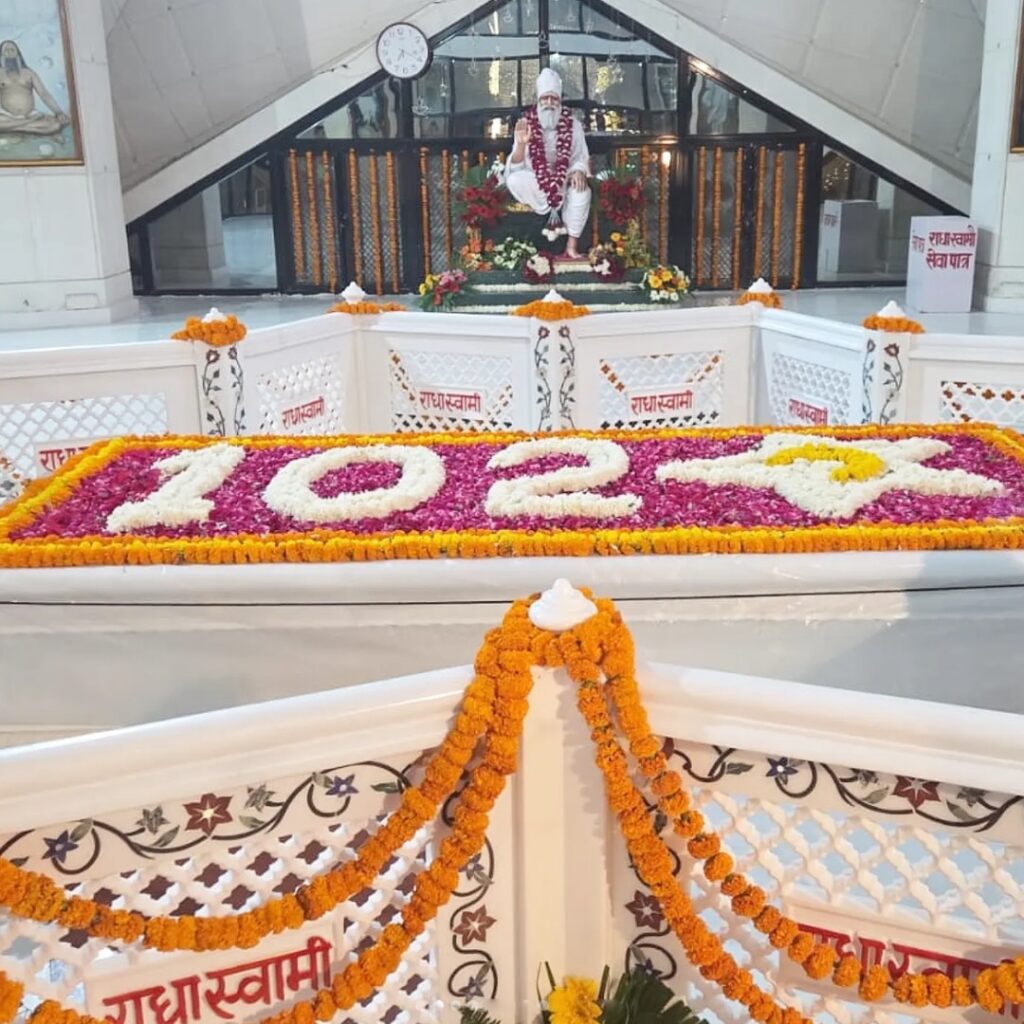
Sewa brings happiness and inner satisfaction. When we help others without expecting anything in return, compassion, kindness and love begin to grow within us. Our thoughts become purer, and our ego gradually weakens. The greatest benefit of Sewa is not what we receive from others, but the positive change it brings within ourselves.
When a disciple completely surrenders to the Satguru, they offer their body, mind and wealth at the Guru’s feet. They accept that whatever the Satguru decides will be for their ultimate welfare. But this surrender must be sincere. True service is free from selfish desires, pride and expectations. A labourer works and receives wages, but a true Sevadar does not seek payment or personal rewards. If we serve only to receive something in return, service becomes a transaction rather than devotion.
Guru Bhakti is not an easy path. The saints compare it to walking on the sharp edge of a sword. It requires humility, patience, discipline and complete faith. We must recognise that we are full of weaknesses and have made countless mistakes. Even after receiving spiritual guidance, we continue to commit wrong actions. Yet the Satguru, despite knowing our shortcomings, continues to love and guide us. What greater kindness can there be?
Sometimes, people behave as though their actions are hidden from the Satguru. But nothing is hidden from the Guru. Every action carries consequences, and we cannot escape them simply by hiding our mistakes. Therefore, a true disciple must learn to accept their faults. When we work, mistakes may happen, but recognising them and sincerely trying to improve is what matters.
A disciple should pray, “Satguru, if I am wrong, please correct me. If I have gone astray, guide me back to the right path. And when I improve, help me rise further on the spiritual path.” The door to spiritual knowledge opens when a disciple accepts their weaknesses and completely surrenders to the Satguru.
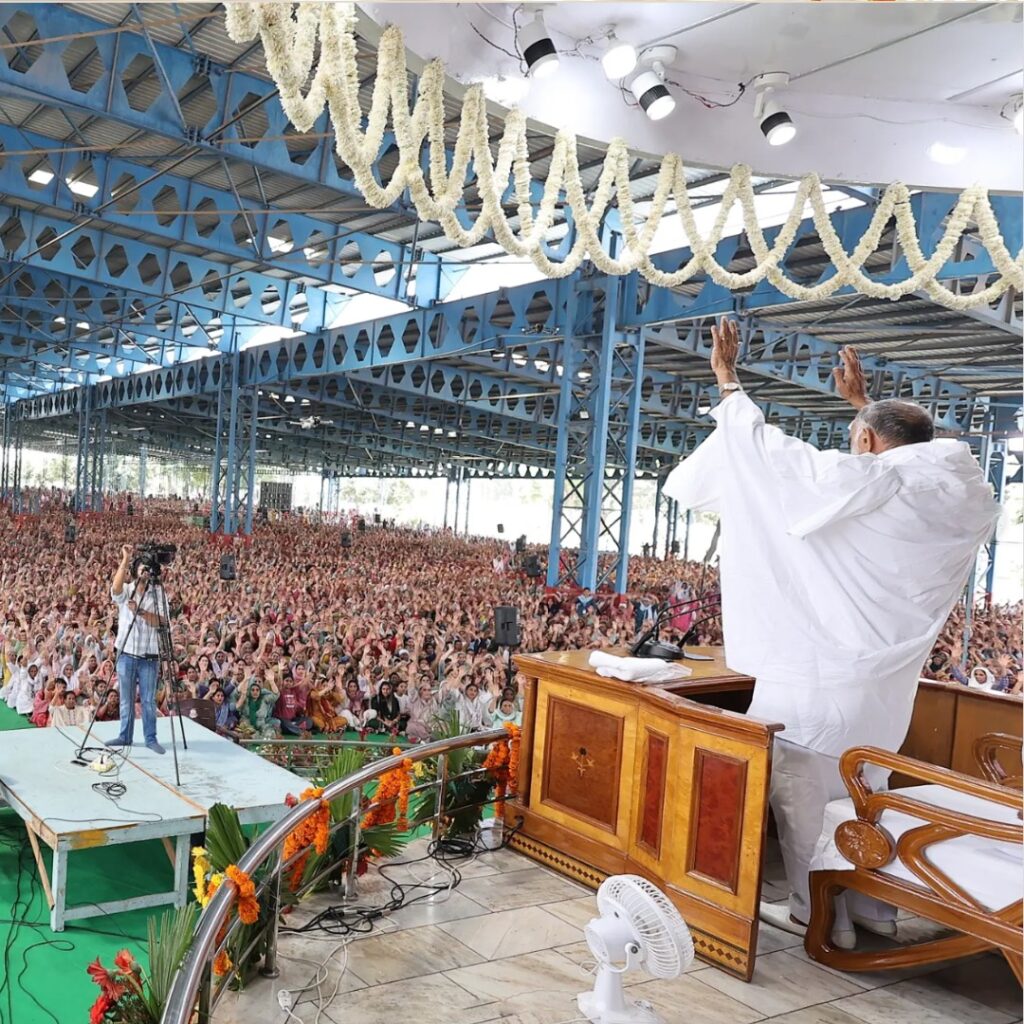
Our body, mind and wealth are important parts of life, and we should make efforts to improve all three. If the body becomes weak, we should exercise and care for our health. If the mind becomes restless or disturbed, we should practise meditation. If we face financial difficulties, we should work honestly and sincerely. Every goal requires determination. Difficulties and obstacles may arise, and success may take time, but a person with strong faith and a clear purpose should never lose hope.
We should also surrender our happiness, difficulties and actions to the Satguru. We do not always understand the consequences of our decisions or whether our actions are right or wrong. The Satguru possesses the wisdom to guide us. When a disciple recognises their limitations and develops complete trust in the Guru, they gain the strength to continue on the right path.
Many people spend their lives listening to the stories of great devotees. We speak about how their faith in God’s Name transformed their lives and how they received divine blessings. But have we ever tried to follow their example? Have we made the same effort or developed the same faith? Simply listening to spiritual teachings is not enough. Their real value lies in practising them. Until we bring these teachings into our daily behaviour, they cannot bring meaningful change to our lives.
The saints have repeatedly explained the immense power of God’s Name. Even a single sincere remembrance of Naam carries great spiritual value. The greatness of Naam cannot be measured through worldly calculations. The saints compare it to a spark falling upon dry grass. Just as a small spark can burn a large amount of dry grass, sincere Naam Simran has the power to destroy the burden of countless sins.

No person should believe that their mistakes are so great that they can never receive God’s grace. Everyone has an opportunity to change. We should honestly admit our faults before God and pray for the strength to improve. Even in worldly relationships, sincere apologies can lead to forgiveness. Then why should we doubt the mercy of God, who is the source of love and compassion? However, true repentance must be reflected in our actions. Asking for forgiveness while continuing the same mistakes is not enough.
Naam Bhakti brings peace, stability and happiness into our lives. A home filled with devotion, love and good conduct can become like heaven. And when our journey in this world comes to an end, sincere devotion prepares the soul to reach the feet of God and attain lasting liberation. But for this, we must have firm faith and a pure mind.
Naam is a spiritual medicine that gradually frees us from these inner chains. Through Naam Bhakti, Guru Bhakti and selfless sewa, our weaknesses begin to lose their hold over us. As long as we remain controlled by the negative qualities, we cannot experience true spiritual freedom.
The true purpose of Satsang is not merely to attend a gathering, listen to the discourse and return home. Its purpose is to transform our lives. We should adopt the teachings one by one—control our anger, speak politely, help those in need, avoid unnecessary arguments, stop criticising others and practise Naam Simran regularly. When we make these changes, we begin to notice how much our thoughts, actions and behaviour have improved.
Some people ask what benefit devotees receive by attending Satsang. I tell them to come and see for themselves. Even when lakhs of people gather, there is remarkable peace, discipline and self-control. People sit quietly and listen attentively. Sevadars willingly perform their duties without being repeatedly instructed or forced. This spirit of discipline and service is itself a great achievement.
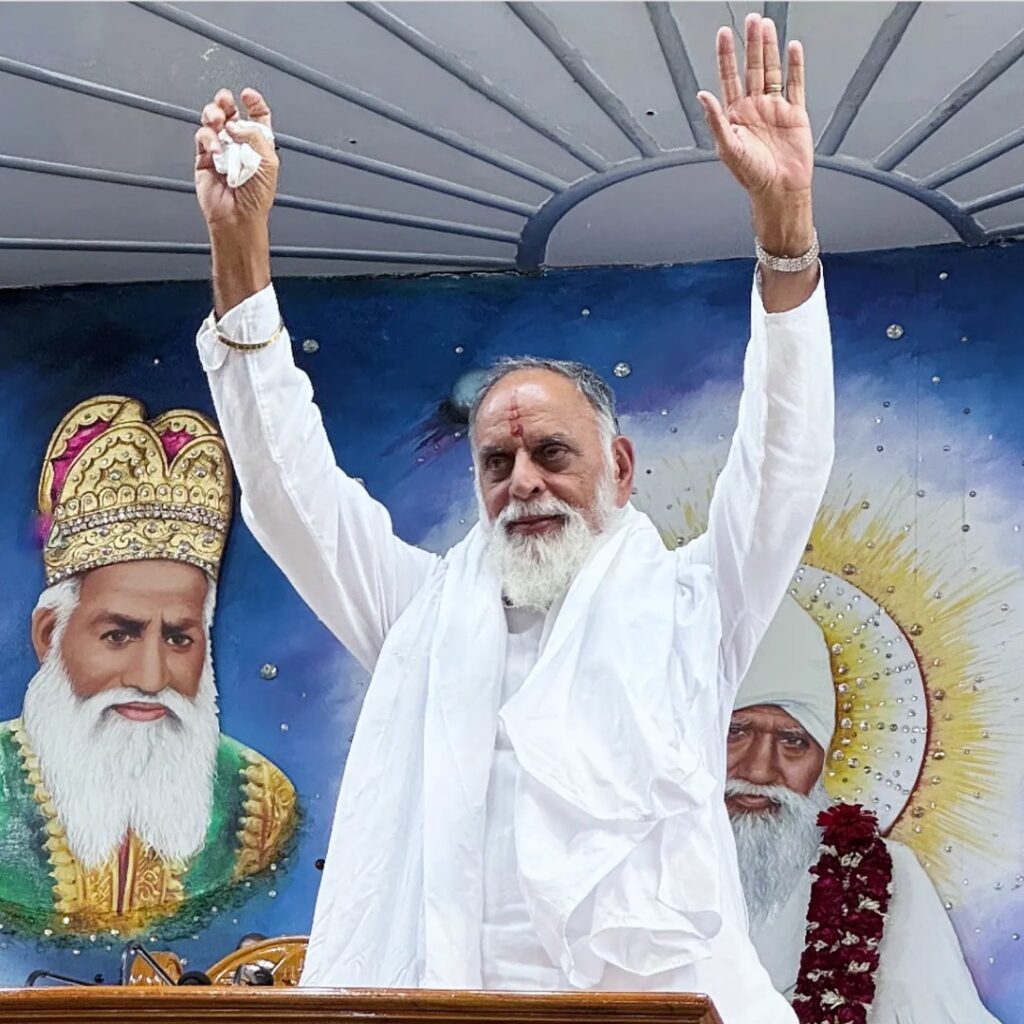
Another beautiful quality of our Satsang is equality. There is no discrimination based on caste, wealth, profession or social position. A senior officer and an ordinary labourer sit together. The richest and the poorest are treated with equal respect. No one is considered superior or inferior because of their status. Our aim is to build a society free from caste discrimination, where everyone is treated equally.
Homes filled with intoxication, gambling, abusive behaviour, gossip and criticism gradually lose their happiness. Such habits destroy relationships and create bitterness. I have personally seen families suffer greatly because of constant gossip and unnecessary conflicts. Some homes were eventually left completely ruined.
A person who constantly criticises others may believe that people enjoy listening to them. But those same listeners may later consider that person untrustworthy. Slowly, gossip becomes a habit so strong that a person feels restless without speaking badly about someone. It becomes like their daily food. Speaking ill of others harms our own character more than the person we criticise. Bad habits often enter our lives without effort, while following the path of goodness requires patience, sacrifice and discipline. Sometimes, we enjoy listening to negative things but find spiritual teachings difficult. This attraction towards negativity is itself a weakness that must be overcome.
Whenever difficulties arise, we should sit peacefully in solitude and practise Naam Simran. With sincere remembrance, our mind becomes calmer, confusion begins to disappear, and we gain the strength to face our problems. Many difficulties that appear impossible when the mind is disturbed become easier to understand when we are peaceful.
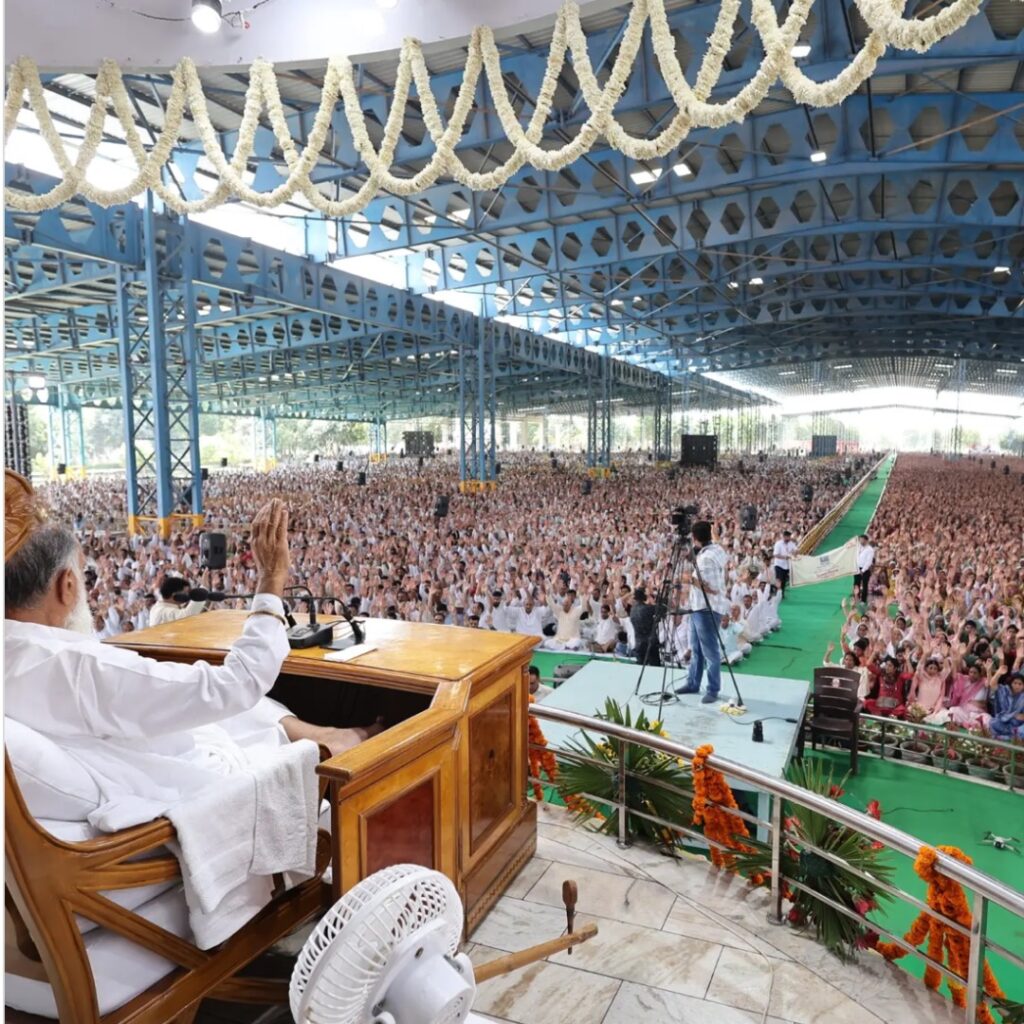
The Satguru is always present to guide us. But who truly experiences this presence? The one who keeps the Satguru in their heart, thoughts, actions and daily behaviour. Remembering the Guru does not mean only praying during Satsang. It means living according to the Guru’s teachings at every moment. Our actions, intentions and decisions should reflect the values we have received.
Sometimes, people become upset when a photograph of the Guru is damaged or a statue is broken. They even fight over such things. But we must understand that a photograph is made of paper and a statue is made of material that can break. Even this living human body will one day come to an end. Then why should we create hatred and conflict over the destruction of a physical object? This does not mean we should disrespect sacred pictures or statues. It means that our devotion must go beyond physical appearances. A thousand photographs may be torn and a thousand statues may be broken, but no one can destroy the Satguru who lives within a disciple’s heart. The true connection with the Satguru is built on faith, love and devotion, not on paper, clay or stone.
The saints have beautifully taught that temples and mosques may be built from worldly materials, but the human heart is the true dwelling place of God. Therefore, we must never hurt another person’s heart. Breaking a physical object is one thing, but causing pain to another human being is far more serious.
Never break anyone’s heart, because God lives within every heart.