


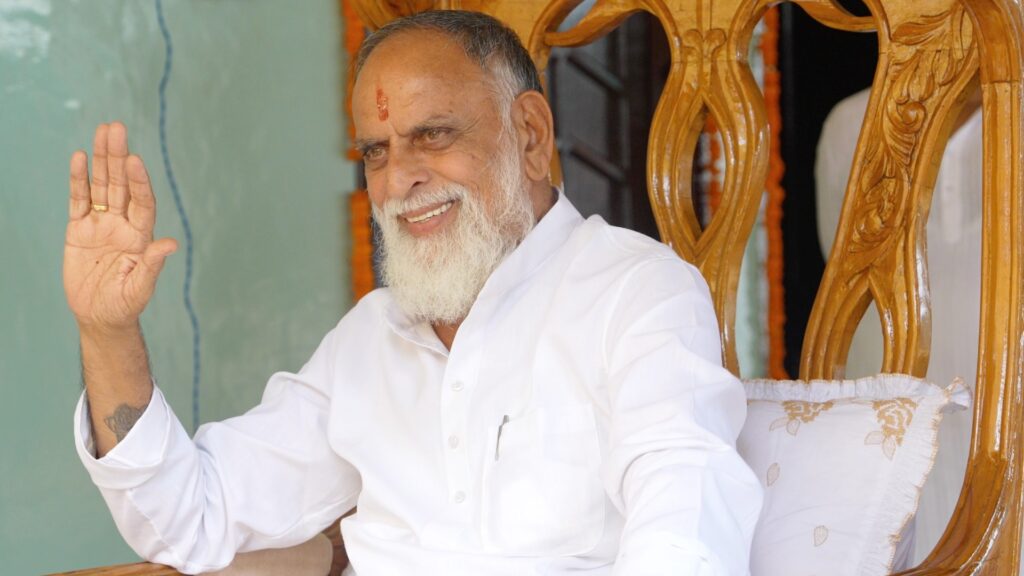
Satsang By Satguru Kanwar Saheb Ji Maharaj
22 August 2026
Problems, pain and difficulties are part of every human life. No one is completely free from them. A householder may have many worldly worries, while a person who has renounced the world may have fewer material concerns. Yet saints and devoted seekers also face difficulties, especially when something disturbs their devotion. Suffering touches everyone, although its form may be different for each person.
Human beings perform their own actions, but certain matters are not under their control. Birth and death, honour and dishonour, gain and loss are governed by destiny and past actions. Some difficulties arise from prarabdha,( the past karma) whose consequences must be faced in this life. Even spiritually advanced souls pass through them. Every action creates a result, so we should think carefully before acting.
A physical illness can be treated with medicine, and mental troubles can also be managed through proper care. However, the illness of the soul cannot be cured by ordinary medicine. Its remedy lies in spiritual knowledge, devotion and the guidance of a true Master. Naam is not a physical substance to be eaten or consumed. It is the spiritual path revealed by the Satguru. Through Naam, meditation and obedience to the Master, the soul receives the strength to face karma and rise above it.
Naam supports the disciple through physical, mental and spiritual suffering. Worldly knowledge can help the body and mind, but spiritual knowledge heals the soul and reconnects it with its source. Devotion is not merely a ritual. It is the inner medicine that purifies our thoughts and conduct and leads us towards peace.

Everyone wants happiness, but lasting happiness requires effort and right action. No one can remain without performing karma. We must therefore understand the nature of our actions and choose them carefully. Harmful and forbidden deeds should be avoided. Our lives should be filled with kindness, honest work, service and compassion. We should help those in need, care for other living beings and develop love for everyone.
Compassion is the foundation of true religion, while pride is the root of many sins. Just as a tree cannot survive without its roots, religion cannot exist without mercy. A compassionate person naturally develops love, faith and concern for others. A person who has no compassion may cause suffering without feeling regret. True spirituality is not shown by outer appearance or words. It is seen in the way we treat people, animals and all forms of life.
We can hurt others in three ways: through our thoughts, words and actions. To carry jealousy, hatred or ill will in the mind is also a form of wrongdoing. Such feelings may remain hidden from others, but they slowly destroy the peace of the person who carries them. Jealousy is an inner illness that continuously feeds dissatisfaction. It prevents us from appreciating our own blessings and makes us unhappy at the success of others. We should remove it through contentment, prayer, self-examination and goodwill.
Words can also cause great harm. A single harsh sentence may create conflict in a family and leave a wound that lasts for years. An insult, a taunt or a careless remark may seem small to the speaker, but it can deeply hurt the listener. Once words leave the mouth, they cannot be taken back. Before speaking, we should consider whether our words will bring peace or create pain.
Anger and emotional excitement weaken our judgement. This is the time when patience and self-control are most necessary. A reply given in anger may take only a few seconds, but its consequences can continue for a long time. A person who remains calm avoids many regrets. We do not need to answer every accusation, rumour or lie. Sometimes silence is the wisest response. Silence is not always weakness; it can be a sign of patience, dignity and inner strength.

Gentle and respectful speech has great power. It can soften an angry heart and even turn an enemy into a friend. Bitter words create distance, while kind words create trust. Nature often returns what we give. When we offer love and respect, we are more likely to receive them. When we answer harshness with greater harshness, a small disagreement quickly becomes a major quarrel. We should therefore speak truthfully, humbly and only as much as necessary.
Tolerance is declining in many families. Disputes arise between parents and children, husbands and wives, and even between brothers. Relationships are broken over money, property, pride and small misunderstandings. Yet life is short, and no one carries wealth, status or possessions beyond death. Many powerful, wealthy and learned people lived before us, but everyone eventually left the world empty-handed. This world is only a temporary place of stay. What finally remains with us is the effect of the deeds performed during our lifetime.
Human life is a precious opportunity. If it is spent in anger, dishonesty, jealousy and harmful actions, it is wasted. If it is used to serve others, comfort the suffering and live honestly, it becomes meaningful. Helping someone may require effort or sacrifice, but it gives deep inner peace. Even if the world offers no reward, the soul feels satisfied in knowing that no one was deliberately harmed and something good was done.
People may sometimes misunderstand or criticise us even when we try to do good. We should not allow every opinion to disturb our peace. Rumours often begin with one person and grow as they pass from mouth to mouth. People add their own assumptions without knowing whether the information is true. Instead of examining the faults of others, we should pay attention to our own actions. No one becomes truly happy by making another person unhappy. Peace comes to the one who tries to give peace.
Goodness can be practised while living an ordinary family life. Parents have a special responsibility to raise their children with love and sound values. Children need to be taught honesty, compassion, discipline and respect. They must also learn how to stay away from harmful habits and bad company. Education and material comfort are important, but they cannot replace the time, attention and guidance of parents.
Many children spend their days moving between school, tuition and coaching classes. Later, higher education and employment make them even busier. If parents and children rarely sit together, how will love deepen and values pass from one generation to the next? Parents should listen to their children, share useful experiences and remain aware of their friends and activities. Children need the good company of their parents, not only instructions and facilities.
In earlier times, children often sat with grandparents and learned through simple stories and family conversations. These moments quietly taught honesty, courage, kindness and wisdom. Today, screens are replacing such conversations. In many homes, family members sit in the same room but remain absorbed in separate phones. They are physically close but emotionally distant.
Technology is useful, but it should remain our servant rather than become our master. We should not depend on machines so completely that we stop using our intelligence and judgement. Time must be set aside for family conversation, reflection and prayer. A device can provide information, but not the love, values and security of a caring family.

Company has a strong influence on our character. We should notice the good qualities in others and bring them into our own lives. When we see a bad habit, we should avoid it rather than discuss and spread it. Gossip and useless talk fill the mind with rubbish. A mind crowded with rumours, jealousy and worldly noise has little room left for devotion, service or self-reflection. We should give our attention only to knowledge that improves our conduct and supports our spiritual growth.
Every day, we should set aside some time to remember God and examine our lives honestly. We should ask whether our actions are leading us towards peace or taking us away from it. Many people waste their lives in addiction, arguments, revenge, jealousy or family disputes. Brothers born to the same parents and raised in the same home sometimes become enemies. Such conflict brings no real victory; it only causes pain to everyone involved.
In truth, no one is a stranger. We are all children of the same Supreme Father. God has given human beings knowledge, intelligence and the ability to distinguish right from wrong. These gifts should be used with care. Life becomes beautiful when it is guided by compassion, patience, humble speech, service and devotion.
We should control the mind, think before speaking, avoid hurting others and seek the company of good people. We should give time to our families, guide our children and remember that this world is temporary. This precious human life should not be wasted in anger, jealousy or meaningless conflict. It should be used to love, serve, meditate and seek the Divine. This is the path to inner peace, a harmonious family and a truly meaningful life.